


Reconciliation and Its Equivalents in Transcultural Comparison
Research Training Group 3125
Note on the next steps:
Due to the volume of applications, the further process will be delayed until the second half of November. We kindly ask you to refrain from making any further enquiries, thank you!
Note on the confirmation of receipt:
Due to the volume of applications, we are currently unable to send out individual acknowledgements of receipt for applications received on 16 and 17 September. We apologise for the inconvenience!
Reconciliation became a key analytical concept in the social sciences in the 1990s. Around the same time, the field of international relations began to place great hopes on reconciliation as a means of peacebuilding. The United Nations, in particular, made concerted efforts to promote reconciliation in post-conflict situations. The aim was to ensure the sustainability of peace processes. The current global situation, with its tendencies toward social polarization and international conflicts, lends further relevance to the topic. The Research Training Group views this as a challenge and aims to investigate concepts, strategies, and practices of conflict transformation from an interdisciplinary and transcultural perspective, employing both synchronic and diachronic comparative analysis. It uses the heuristically understood concept of reconciliation as its starting point. It proceeds from a working definition that understands reconciliation as multifaceted strategies for the sustainable resolution and transformation of long-term conflicts, both between nations and states and between groups—defined in very different ways—within a state’s territory (or across multiple states).
The hypothesis is that reconciliation and its equivalents in European and non-European cultures provide a repertoire of responses and strategies through which conflict situations can be defused and—in the best-case scenario—resolved. The added value of using this heuristic concept lies in the fact that, on the one hand, it applies to a broad spectrum of collective conflicts and, on the other hand, it denotes more than just the end of violence and arises from relationships based on free acknowledgment. A better understanding of various concepts, strategies, and practices of reconciliation is, not least, a prerequisite for determining the conditions for success and failure. At the same time, the Research Training Group also aims to examine the downsides of reconciliation processes and, for example, to investigate any exclusionary mechanisms or newly emerging inequalities that may be associated with them.
A key objective of the Research Training Group is to expand the concept of reconciliation—which is strongly shaped by Christian-European traditions—and, through a transcultural comparative approach, to also consider equivalents of reconciliation while consistently reflecting critically on the context-specific nature of this concept. To this end, the Research Training Group adopts a transculturally comparative approach and seeks “family resemblances” (Wittgenstein). Cultures are understood here as open and subject to change.
The following disciplines are represented in the Research Training Group through the group of applicants:
- Ancient History
- Art History
- Early Modern History/Historical Peace and Conflict Studies
- English Literature and Cultural Studies
- History and Culture of the Islamicate World
- History Education
- Jewish Studies
- Law
- Modern and Contemporary History
- Philosophy of Religion
- Social Sciences/Reconciliation Studies
- Social and Cultural Anthropology/Critical Museum and Heritage Studies.
In addition, Southeast Asian Studies, Korean Studies, Japanese Studies, Protestant and Catholic Theology, Eastern European History, and provenance research are associated as further disciplines. Grounded Theory serves as the methodological framework, allowing for the use of various discipline-specific methods.
Through their work in the Research Training Group, the participants contribute to interdisciplinary research on a highly relevant topic that will remain timely for the foreseeable future. With its thematic focus and its curriculum, the Research Training Group provides them with optimal preparation for a career in academia or in numerous other professional fields.
The Research Training Group is based on a structured supervision model. It provides for tandem supervision by the university faculty members involved in the Research Training Group, which can be supplemented by a third supervisor if necessary.
The study program includes a colloquium held every two weeks during the lecture period, as well as project group meetings held twice per semester. In addition, the training program offers a wide range of workshops, some of which are mandatory and others optional. In the practical module, participants can gain experience in various professional fields both within and outside academia. In particular, they can also complete internships, for example with our numerous cooperation partners. Through the opportunity for a research stay abroad lasting several months, as well as exchanges with guests, Mercator Fellows, and numerous partner organizations, participants can build an international network.
Jun.-Prof. Dr. Julia Binter
Argelander Professor of Critical Museum and Heritage Studies
Julia Binter is a social and cultural anthropologist with an interdisciplinary background in theater, film, and media studies, as well as many years of experience in the international museum and cultural heritage context. Since 2023, she has been the Argelander Professor of Critical Museum and Heritage Studies at the University of Bonn and Deputy Director of the Global Heritage Lab. Her research focuses on the critical analysis of restitution processes and on transcultural and multimodal approaches to studying collections from colonial contexts. She develops collaborative formats with partners from academia, the arts, civil society, and affected communities, working at the intersection of anthropology, museum studies, and cultural heritage policy. She has conducted transnational research projects on collections in Germany, the United Kingdom, Nigeria, and Namibia, and advises museums in Belgium and Austria on reflecting on museum practices in the context of provenance research and restitution. From 2018 to 2023, she was involved in establishing provenance research into collections from colonial contexts at the Staatliche Museen zu Berlin. As Reviews Editor of the peer-reviewed journal Museum Worlds, she is committed to fostering scholarly engagement with global processes of transformation in the museum sector.
Prof. Dr. Stephan Conermann
Professor of History and Culture of the Islamicate World
Stephan Conermann is a trained historian, slavicist, and an expert for the History and Culture of the Islamicate World. Among other roles, he served as spokesperson for the DFG Research Collaborative History and Society of the Mamluk Period (1250–1517) from 2010 to 2022, as a board member of the BMBF Competence Network “Crossroads Asia: Conflict – Migration – Development, and from 2016 to 2020, he served as deputy spokesperson for the SFB Power and Rule – Pre-Modern Configurations in a Transcultural Perspective. Since 2019, he has served as spokesperson for the Bonn Cluster of Excellence Beyond Slavery and Freedom: Strong Asymmetrical Dependencies in Pre/Modern Societies. Within the framework of these collaborative projects, in which aspects of reconciliation and conflict transformation played a very important role, he has addressed various relevant fields of research: in addition to the internal tensions within the Delhi Sultanate and the Mughal Empire (Muslims vs. Hindus) as well as the Mamluk Sultanate (the local Arab population vs. the Turkish ruling elite), he has also examined the social tensions in Egypt and Syria following the Ottoman conquest in 1517. Naturally, the questions addressed by the cluster are also of great significance to the theme of the research group. Recently, his focus has been primarily on questions regarding reconciliation processes concerning the legacy of slavery in the former colonial powers on the one hand and in Caribbean societies on the other.
Jun.-Prof. Dr. Rosario Figari Layus
Assistant Professor of Reconciliation Studies
Rosario Figari Layús is a sociologist. Since October 2024, she has been an assistant professor of reconciliation studies and the director of the Center for Reconciliation Studies at the University of Bonn. She has many years of international expertise in the fields of reconciliation studies, conflict transformation, peace and conflict research, and political violence, particularly in Latin America but also beyond. Rosario Figari Layús earned her Ph.D. in political science from the University of Marburg with a dissertation on the criminal justice response to the crimes of the military dictatorship in Argentina and its impact on victims and society. In recent years, she has helped design and coordinate various research and knowledge-transfer projects addressing different issues related to the challenges of reconciliation processes, conflict transformation, and peacebuilding. In particular, she has worked on the topics of accountability and reparations for victims of human rights violations in post-conflict and post-dictatorship contexts in Latin America. She is an associate editor of the International Journal of Transitional Justice, published by Oxford University Press.
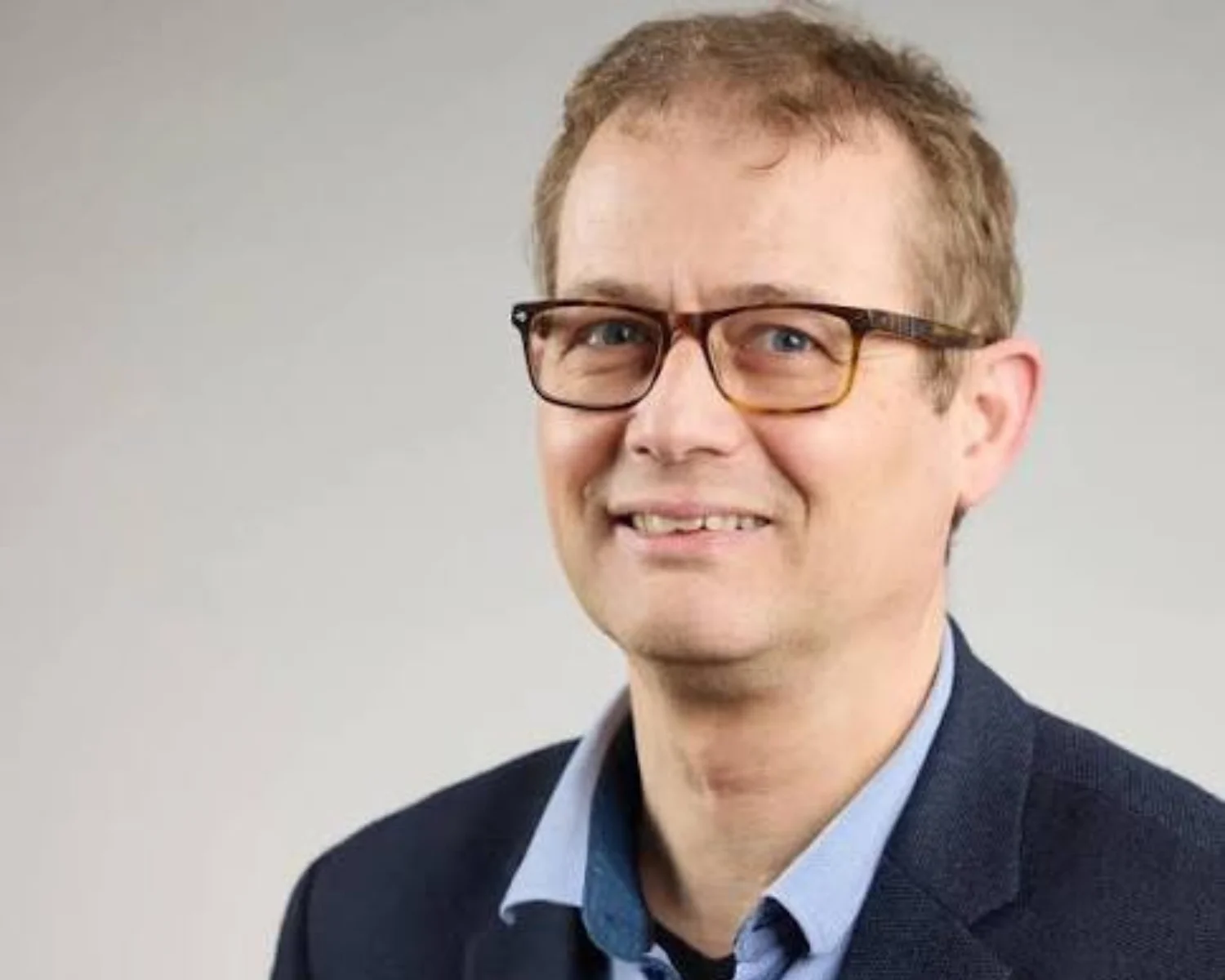
Prof. Dr. Peter Geiss
Professor of History Didactics
Peter Geiss, a founding member of the Bonn Center for Reconciliation Research, has been addressing the challenges of historical and cultural understanding between nations for two decades. He was co-editor and co-author of the internationally acclaimed German-French history textbook for upper secondary school students (three volumes, 2006–2011). From a historical-didactic perspective, the work takes stock of the Franco-German reconciliation process while also highlighting continuing potential for disagreement. The global interest in this project prompted Peter Geiss to explore, in subsequent publications, ways to transfer Franco-German experiences of understanding to other geographical and historical-cultural contexts (such as the Baltic states). This work was continued in a lecture and an essay published for the Center for Reconciliation Research (in collaboration with Michael Rohrschneider) and is supplemented by another focus relevant to the field of research: the question of practical learning from history.
Prof. Dr. Marion Gymnich
Professor of English Literature and Culture
Marion Gymnich studied English, German, and Slavic languages and literatures and is a professor of English literature and cultural studies at the University of Bonn. Since 2019, she has engaged with literary texts about World War I in several publications, including from a comparative perspective. This raises the question of the extent to which the way the war is portrayed in retrospect through literary and/or visual means offers space for understanding others’ perspectives or even paves the way for reconciliation. In addition, as part of the Cluster of Excellence 2036 (Bonn Center for Dependency and Slavery Studies)—of which she was deputy spokesperson from 2019 to 2025 and in whose second phase (beginning in 2026) she will participate as a principal investigator—she has examined various forms of strong asymmetrical dependency in society and how these are addressed in fictional and non-fictional texts. The legacy of transatlantic slavery and other manifestations of social dependencies in the past inevitably raise the question of reconciliation and irreconcilability.
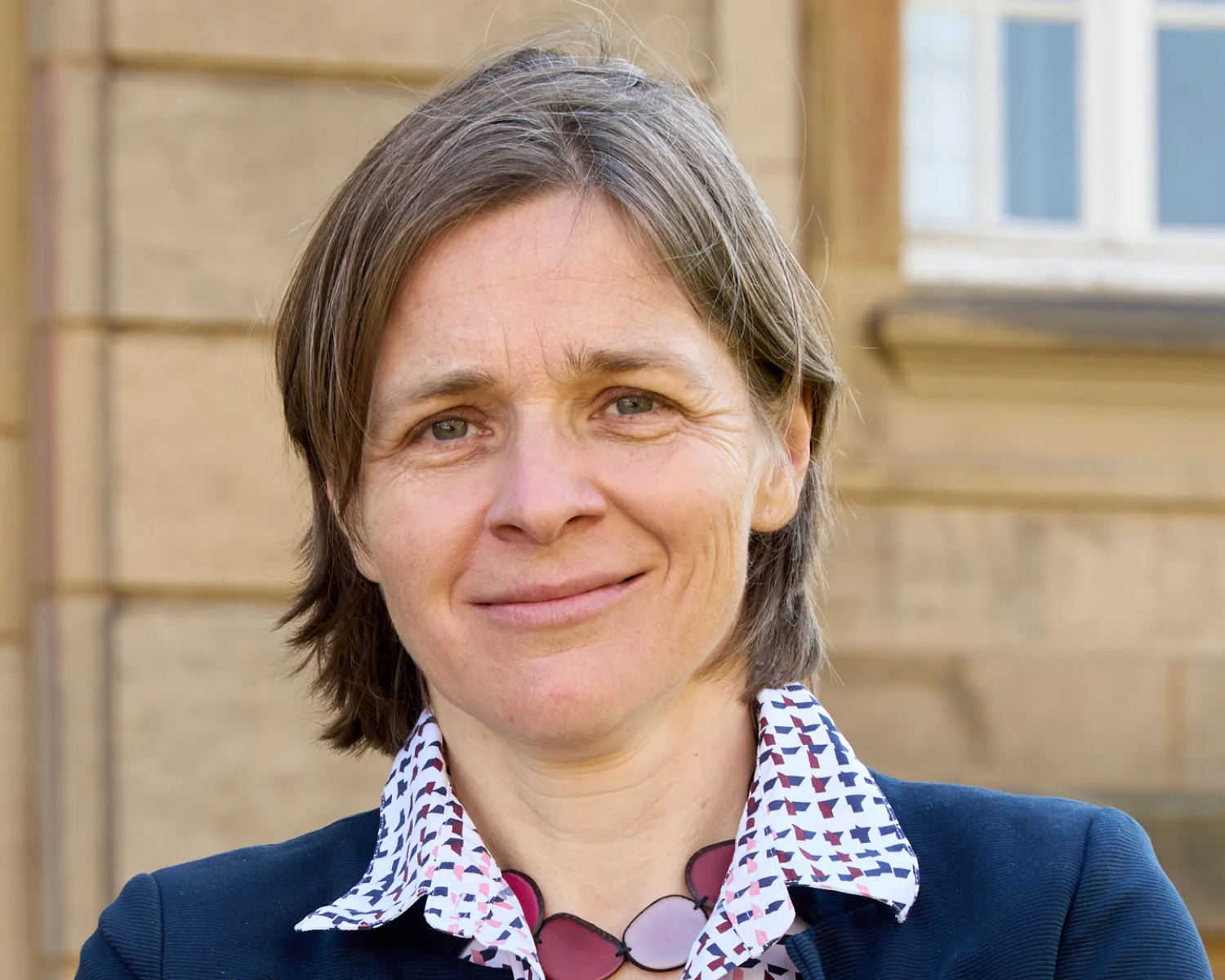
Prof. Dr. Christine G. Krüger
Professor of Modern and Contemporary History, Spokesperson of the Research Training Group
Christine G. Krüger is a member of the board of the Bonn Center for Reconciliation Research. As part of her dissertation at the SFB on War Experiences (Tübingen), she researched Jews during the Franco-Prussian War of 1870–71, paying particular attention to concepts of peace and reconciliation. In her postdoctoral thesis, she examined youth volunteer services in the Federal Republic of Germany and the United Kingdom, focusing in particular on those volunteer services that, like Aktion Sühnezeichen, saw themselves as reconciliation initiatives. A third monograph deals with urban conflict situations in Hamburg and London in the late 19th century. This study took a particular interest in intra-societal reconciliation efforts, such as those initiated within the framework of the British Settlement Movement. Christine Krüger edited an anthology titled Gendered Attributions of (In)Reconciliability, which emerged from a conference and was published in early 2026.
Prof. Dr. Jan Meister
Professor of Ancient History
Jan Meister has conducted research from various perspectives on internal conflicts in ancient Greece and the efforts to contain them. From 2014 to 2017, he led a DFG network on Competition and Institutionalization in Archaic Greece, which examined the connection between conflict-ridden competition and institutional solutions (a widely cited anthology, co-edited with Gunnar Seelentag, was published). From 2019 to 2022, he was a member of the DFG network Internal War: Society, Social Order and Political Conflict in Antiquity (an English-language article on civil wars in the Archaic period has been submitted) and is a member of the Advisory Board for the series Studies in Ancient Civil War published by de Gruyter. Furthermore, he has examined, from a history of reception perspective, historical interpretations of ancient internal conflicts as class struggles or conflicts of orders and restrictions on luxury against the contemporary historical backdrop of the 19th and early 20th centuries.

Prof. Dr. Birgit Ulrike Münch
Professor of Art History
Since completing her dissertation in 2009, Birgit Ulrike Münch has conducted research on issues of confessional factionalism—using the Passio Christi as an example—and on narratives of conflict and consensus conveyed through art in the 16th century. She is interested in how art addresses processes of reconciliation or, in the sense of the act of representation, is capable of initiating them itself. As part of the Beyond Slavery and Freedom cluster, she is researching prostitution in a colonial context and also examining the diverse culture of remembrance and reconciliation (primarily in Belgium and the Netherlands). She is one of the two founding directors of the CBA (Cologne Bonn Academy in Exile), which focuses on the themes of reconciliation and heritage in the context of the war in Ukraine; she is chair of the GNM’s Scientific Advisory Board, a committee member of the International Committee of Art Historians (CIHA), and, since 2025, a member of the Advisory Board for Art Historical Research at the Bavarian Academy of Sciences. She has (co-)curated several cultural-historical exhibitions.
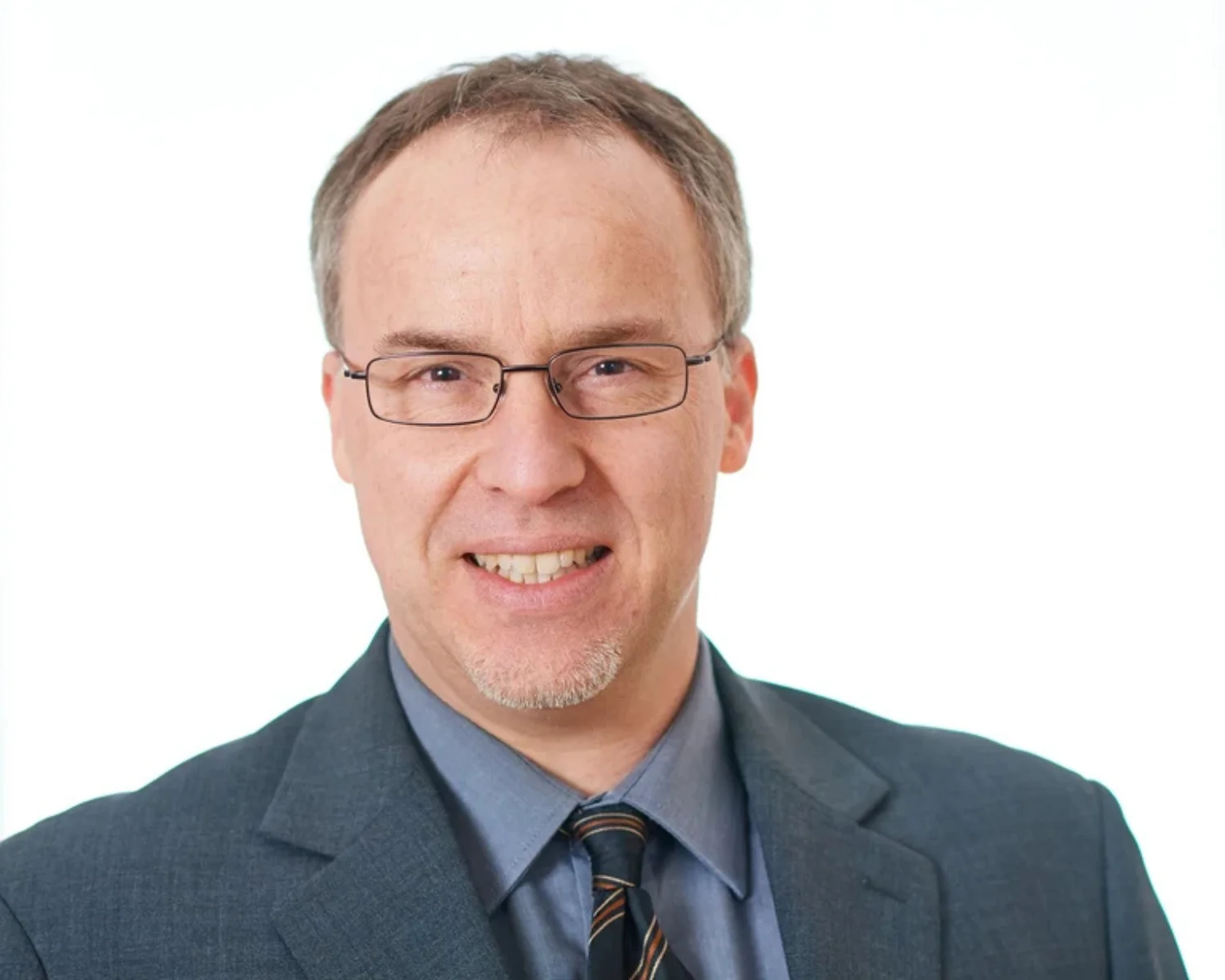
Prof. Dr. Michael Rohrschneider
Professor of Early modern History and Rhenish Regional History
Michael Rohrschneider is one of the founding members of the Bonn Center for Reconciliation Research. He has been closely engaged with the themes of peace and reconciliation since working on his habilitation thesis on the Peace of Westphalia and, since 2016, as director of the Center for Historical Peace Research (ZHF) at the University of Bonn. He has many years of expertise in the field of international historical peace and conflict research; he directs the historical-critical source edition of the documents on the Peace of Westphalia (Acta Pacis Westphalicae, 48 volumes to date) and has contributed several articles to anthologies on specific aspects of reconciliation. In addition, he can contribute the ZHF’s extensive collection of materials—compiled over decades from more than 150 archives and libraries—to the project.
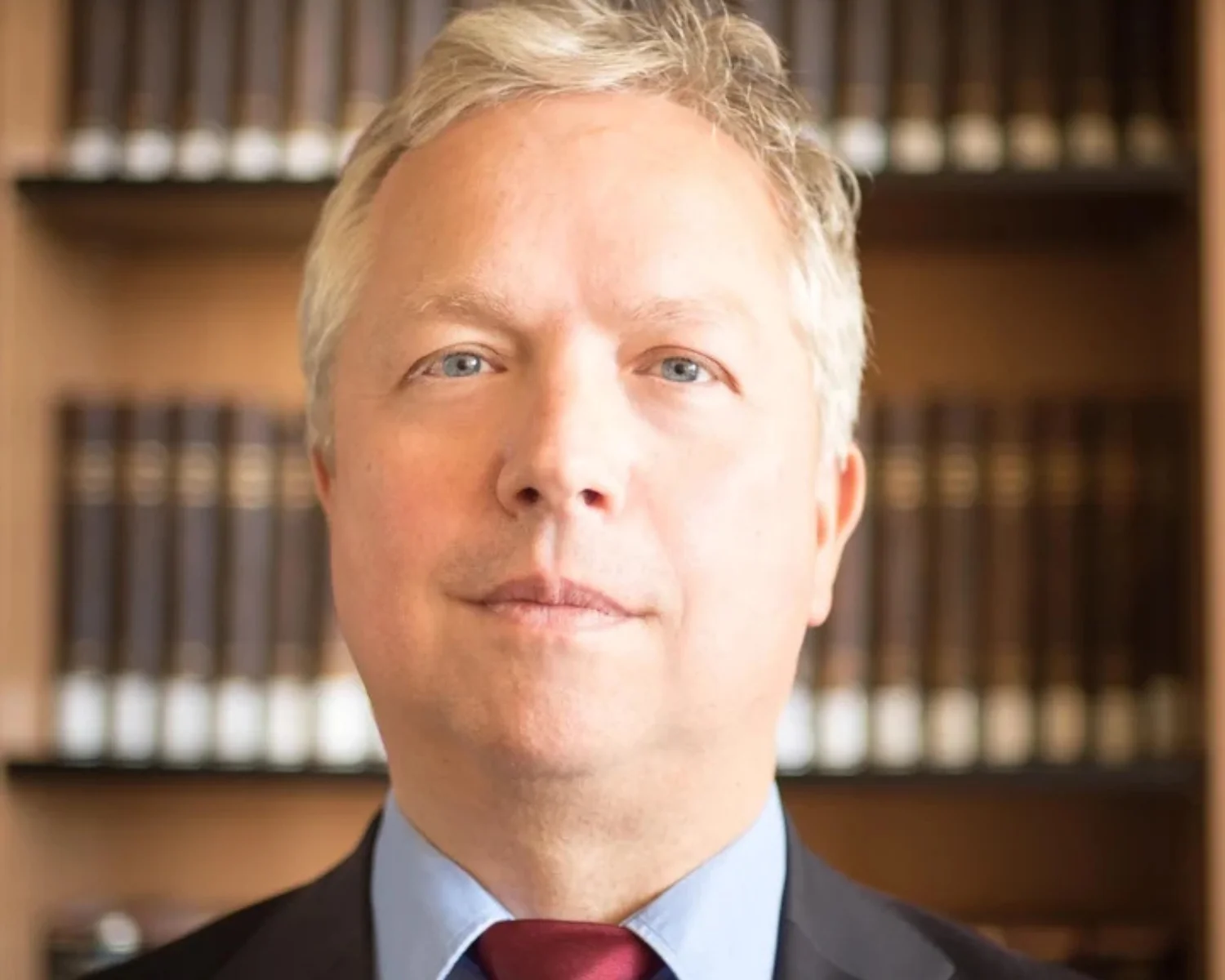
Prof. Dr. Mathias Schmoeckel
Professor of German and Rhenish Legal History
Mathias Schmoeckel is a professor of civil law and Director of the Institute of German and Rhenish legal history and the Rhenish Institute of Notarial law. He wrote his dissertation on Carl Schmitt’s “Greater Region” theory and has since published extensively on the history of international law. Since his habilitation he has focused on the history of procedural law and the evidence used in legal reasoning (Schmoeckel 2013), which led to a “history of judicial evidence” as a sort of legal hermeneutics from Antiquity to the present currently in press. Over the centuries, he has repeatedly examined the prerequisites for judicial decisions, such as truth, probability, and justice. More broadly, he is interested in the connections between theology (the Church) from the 12th century in classical canon law until the 16th century and the impact of Protestant reformation on European law from the perspectives of various European denominations. In terms of legal doctrine, Schmoeckel focuses primarily on civil law, the history of the German BGB, and inheritance law.
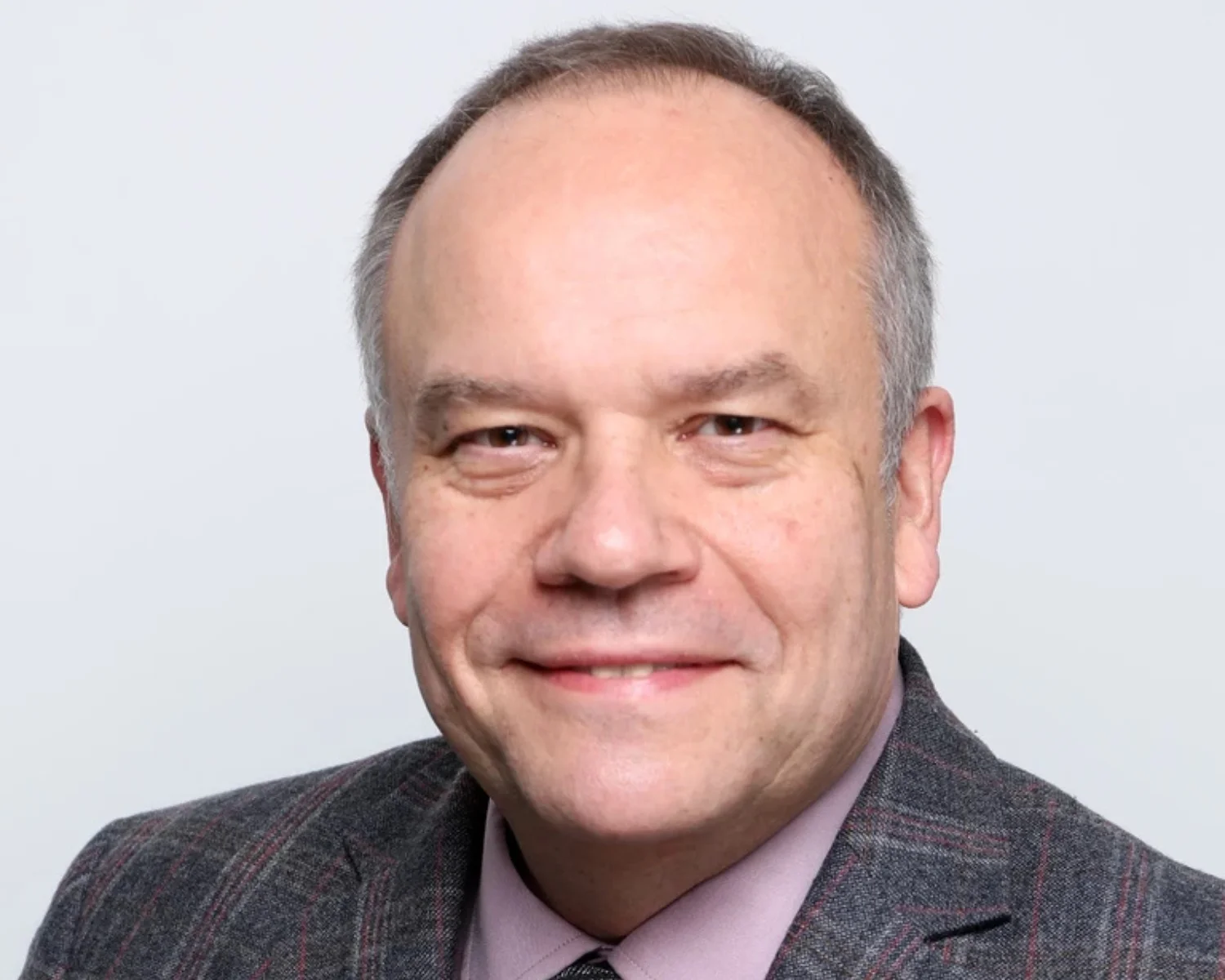
Prof. Dr. Michael Schulz
Research Area Philosophy and Theory of Religion
Michael Schulz, a founding member of the Bonn Center for Reconciliation Research and spokesperson for the Interdisciplinary Latin America Center (ILZ) at the University of Bonn, has examined the Clash of Civilizations in 16th-century Latin America, colonial ethics, legislation, and the philosophy of religion—often in collaboration with PUCRS in Porto Alegre, Brazil. Together with researchers from the University of Bonn and PUCP in Lima, he secured funding from the DFG for a workshop on dehumanizing violence and its overcoming through various reconciliation strategies; the results of this workshop were published in the ILZ’s (ISLA) series. In numerous essays on Bartolomé de Las Casas and José de Acosta, he explores the possibilities and limits of a diatopic hermeneutics of the culturally Other, with the aim of achieving a reconciled coexistence in diversity during the colonial era. Currently, his research focuses on Las Casas’s project of reconciliation in the form of an Ibero-American Commonwealth. In his work on Hegel, he has gained significant insights into the migration of the concept of reconciliation from theology to (Latin American) philosophy. He also examines the understanding of the concept of reconciliation by Peru’s Truth and Reconciliation Commission.
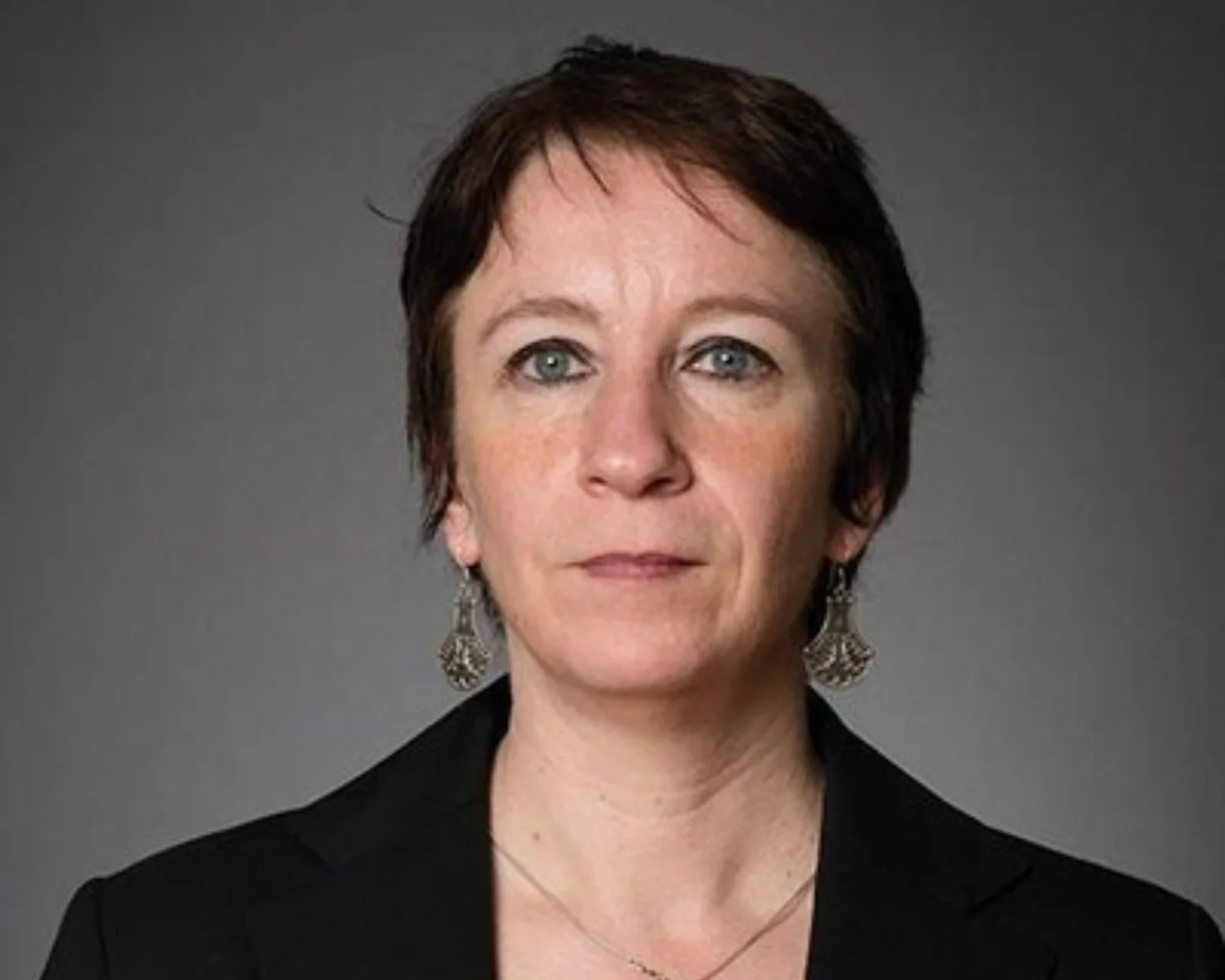
Prof. Dr. Susanne Talabardon
Professor of Jewish Studies at Bamberg University, Bonn Center for Reconciliation Research
Susanne Talabardon is a scholar of Jewish studies and religious studies. She conducts research in the history of reception and the history of religion with a comparative (Judeo-Christian) focus. In both theory and practice, she examines the conditions and possibilities for successful interreligious dialogue. Susanne Talabardon has authored both introductory and specialized articles in this field. She is a member of the steering committee of the Jews and Christians Discussion Group at the Central Council of Catholics and of several research groups engaged in Jewish-Christian dialogue. Organizing and/or providing expert guidance for academic conferences and events open to the general public is part of her regular activities.
Prof. Dr. Atsuko Kawakita (Universität Tokyo, Komaba) - area of expertise: reconciliation in Asia and Europe compared
Prof. Dr. em. Hans-Georg Soeffner (Universität Konstanz) - area of expertise: transcultural-comparative reconciliation-studies
Prof. María Eugenia Ulfe (Pontificia Universidad Católica del Perú) - area of expertise: transitional justice and culture of remembrance in Latin America
Dr. Duane Jethro (University of Capetown) - area of expertise: African cultural heritage and the South-African politics of apartheid
Prof. Dr. Martin Aust (Eastern European History)
Jun.-Prof. Dr. Nadescha Bachem (Korean Studies)
Prof. Dr. Matthias Braun (Social ethics)
Prof. Dr. Kristina Großmann (Southeast Asian Studies)
Prof. Dr. Anna-Katharina Hornidge (Global sustainable development)
Prof. Dr. Friedrich Kießling (Modern and Contemporary History/International history)
Prof. Dr. Conrad Schetter (Peace- and Conflictstudies)
Prof. Dr. Klaus von Stosch (Systematic Theology with particular reference to social challenges)
Prof. Dr. Lucy Wasensteiner (Art-Historical Provenance Research)
Prof. Dr. Matthias Weller (Civil law, law on the protection of works of art and cultural property)
Prof. Dr. Reinhard Zöllner (Japanese Studies)
Prof. Dr. Christoph Zuschlag (Modern and Contemporary Art-History, Provenance Research)
Bonn Center for Reconciliation Studies: Since 2022, the Bonn Center for Reconciliation Studies has been providing a platform for activities in the field of reconciliation studies at the University of Bonn. Researchers from diverse fields come together to create spaces of dialouge and synergy, focusing especially on events that make scientific findings accessible to the public as well as academic workshops and conferences.
Exzellenzcluster 2036: Dependency and Slavery Studies (Bonn University)
Transdisciplinary Research Areas (Bonn University): Vergangene Welten – Past Worlds and Modern Questions. Cultures Across Time and Space and Individuals, Institutions and Societies
Zentrum für Historische Friedensforschung (Bonn University)
El Centro Interdisciplinario de Estudios Latinoamericanos (ILZ, Bonn University)
Research Centre for Provenance Research, Art and Cultural Property Law (Bonn University)
Bonn International Centre for Conflict Studies
Center for Advanced Security, Strategic and Integration Studies (CASSIS)
International Center for Comparative Theology and Social Issues (CTSI)
Centre for Applied Human Rights (CAHP, Universität York)
Cologne/Bonn Academy in Exile
German Institute of Development and Sustainability (IDOS)
DAAD-Centre for German and European Studies (CGES, Tokyo University): Prof. Atsuko Kawakita, Prof. Dr. Hideto Hiramatsu
DAAD-Centre at the Hebrew University (Jerusalem): Prof. Dr. Moshe Zimmermann, Prof. Dr. Gili Drori
Buber Society (Hebrew University, Jerusalem): Prof. Dr. Raz Chen-Morris
DAAD-Centre at Haifa University: Prof. Dr. Stefan Ihrig, Prof. Dr. Fania Oz-Salzberger
Pontificia Universidad Católica del Perú (Lima, Peru): Prof. Dr. Eugenia Ulfe, Prof. Dr. Sofía Macher, Prof. Salomón Lerner Febres
Instituto Colombo-Aleman de la Paz (CAPAZ, Koumbien)
University of Saskatchewan (Saskatoon, Kanada): Center for Indigenous Studies
Museo de la Memoria (Santiago de Chile)
Bonner Schauspielhaus: Versöhnung als Utopie
The topics for the doctoral projects of the research fellows are not predetermined; rather, applicants are encouraged to develop their own topics. The project outlines listed here, drawn from the various disciplines represented in the Research Training Group, should therefore be understood as suggestions for future doctoral projects that may—but need not—be used as inspiration or guidance when drafting research proposals.
The resolution of internal conflicts (staseis) was a central issue for Greek communities. When considering ancient equivalents of “reconciliation,” three promising approaches emerge, in each of which the negotiation of relational networks plays an important role in different ways: First, at the practical level, reconciliation processes and the measures accompanying them can be analyzed—most notably, for example, in Athens in 403 B.C., with an amnesty decree that was already regarded as exemplary in antiquity. Second, authors shed light on ancient concepts through which “reconciliation” could be conceived; such as Aristotle’s reflection on “civic friendship” (philia politike) as the foundation for “harmony” (homonoia). Third, it can be shown how, in the 4th century, external conflicts among Greeks were in some cases reconceptualized as staseis, meaning that efforts toward a pan-Hellenic peace were accompanied by a reconceptualization of social boundaries. The focus in each case is on the tension between explicitly formulated normative concepts (top-down) and the problems of practical implementation (bottom-up) in collectively governed civic communities.
The focus is on analyzing new, creative memorial projects that address the colonial past and its reappraisal. The creativity here can lie in both the form (performance) and the location. Methodologically, art-historical analyses are combined with approaches from the fields of memory culture and postcolonial studies. The goal is to highlight the shift toward participatory, dialogic forms of remembrance. In doing so, the role of aesthetics, materiality, and spatial design in the practice of reconciliation is examined. Comparing European phenomena (Nantes, Bordeaux, Paris) with global examples—such as those from the Caribbean or West Africa—sharpens our perspective on transnational memory. This approach aims to contribute to an understanding of how art in public spaces makes historical traumas visible and seeks to initiate processes of social healing.
The goal of another doctoral project could be to highlight restitution as a social field in which political, economic, and cultural dynamics of memory, justice, and shaping the future intersect. The project will examine the complex interconnections between the restitution of cultural property from colonial contexts and processes of reconciliation. The central question is how restitution can be understood not only as a legal and political act but also as a symbolic and cultural practice rooted in memory. The study analyzes various concepts of reconciliation that are discussed, practiced, or even rejected in restitution processes. Particular attention is given to critiques of Eurocentric, often Christian-influenced understandings of reconciliation in transcultural negotiations. At the same time, alternative, locally rooted concepts on the African continent are examined. Three case studies—the debate over the return of the Ngonnso figure to Cameroon, the demands of the Maasai in Tanzania, and restitution processes in Namibia—serve as empirical anchor points. Depending on the fellow’s regional specialization, different areas of focus may be emphasized.
If we proceed from the hypothesis that the idea of collective reconciliation is a modern phenomenon and only achieved its breakthrough in a secular definition, the search for equivalents of concepts of peace and reconciliation in premodern conflicts—in which religion played a central role—presents itself as an important subject of inquiry. The goal of a dissertation project could be, for example, to examine—from an actor-centered perspective—the extent to which concepts of reconciliation played a role in the immediate or broader context of early modern bilateral and multilateral peace negotiations, and in this context to investigate whether concrete influences from contemporary peace discourses can be identified. An integral part of the project would be to focus not only on successful examples of peacemaking and reconciliation but also to analyze the—occasional or lasting—failure of reconciliation. Thus, the project also offers the opportunity to identify, on the one hand, models of successful peacemaking and reconciliation and, on the other hand, contemporary negative examples that can serve as cautionary tales for subsequent peace-building efforts. The Peace of Westphalia of 1648 will serve as the starting point and anchor for this research.
Young people are often credited with being able to make a special contribution to reconciliation, as they are viewed, on the one hand, as unburdened by the past and, on the other, as capable of learning or being shaped. Research has demonstrated this with regard to youth-led reconciliation initiatives. But what is reflected in these reconciliation initiatives is by no means necessarily representative of adults’ efforts to help young people understand the conflict-ridden past. This is where the project comes in. In various English-speaking countries (and beyond), World War I remains a popular topic, particularly in literature for young readers: from picture books and comics to novels for young adults. For a doctoral project, a multifaceted corpus can be compiled from a large number of relevant literary works for adults and/or young readers, with the possibility of focusing on specific regions or time periods depending on the doctoral candidate’s interests. The central question is how World War I is reimagined in retrospect in light of political developments following the end of the conflict; what is remembered and how, and what is not addressed; and what notions of reconciliation or irreconcilability are reflected therein.
A doctoral project in Islamic Studies also examines how the relationship between normative legal and religious guidelines on the one hand and lived coexistence on the other took shape. With the capture of Cairo in 1517, the Ottomans had completely defeated the Mamluk Sultanate. The victors established a permanent foothold in the region and incorporated both regions politically and economically into their empire. A century after the conquest, we can observe the emergence of local identities. Evidently, the Turkish invaders and the Arab inhabitants had overcome their massive conflicts and had more than just come to terms with one another. But the question remains: to what extent can we speak of a process of reconciliation here? Was this a sustainable modus vivendi, or a fragile arrangement that could be abandoned at any time? The aim is to examine, using various sources (chronicles, legal texts, documents, material finds, etc.), how this long process of transformation unfolded and what social dynamics accompanied it.
In the field of history didactics, a doctoral project is being planned that, drawing on the German-French case study, will focus on the role of historical models in selected reconciliation processes in contemporary history since 1945. The claim to “learn from history,” often associated with such processes, is understood here as a field of conception and legitimation of reconciliation, in which practices of reception, analysis, and narrative (re)construction are discursively negotiated. In this context, failed attempts to transfer models are no less relevant than successful ones, as they sharpen our understanding of the specific characteristics of constellations in which the need for reconciliation is articulated. The context of reception and construction in which the Franco-German example has been or will be drawn upon (e.g., Southeast Asia or Southeast Europe) may be determined by the doctoral candidate’s expertise, language skills, and research interests.
In light of the overall project, this doctoral research aims to explore the conceptual and pragmatic relationships between the dominant force of memory and the often-neglected force of forgetting within the Jewish tradition. Closely related to this, the theoretical and practical approaches to interpersonal reconciliation within the Jewish tradition will be systematically examined, as these—being relatively unritualized and uninstitutionalized—have received little attention in research to date. Methodologically, the project centers on a comparative “thick description” (Clifford Geertz) of ritual and liturgical procedures on the one hand and relevant narratives on the other. The historical analysis of the reception of relevant biblical narratives, as well as late antique-Talmudic, medieval, and early modern exempla, will be brought into dialogue with the further development of ritual and social practices of reconciliation. The aim of the project is to offer new perspectives from the history of religion and anthropology on a tradition that has had to prove itself as a minority both within and outside Europe.
The influence of Christian concepts of reconciliation on the criminal law of modern democracies appears particularly revealing. A doctoral project in legal history could examine the history of Christian justifications for punishment, compare them with modern conceptions of punishment, and, in doing so, explore the generally recognized Christian influence on criminal law in specific cases. In the Christian tradition, the term “reconciliation” (καταλλαγή/reconciliatio – English: reconciliation) refers to the goal of punishment being the restoration of peace in society among the offender, the victim, and society. Resocialization and offender-victim mediation capture only parts of this: Today, the victim or their relatives must make their voices heard as joint plaintiffs or through adhesion proceedings. The “forum internum” of the court or the confessor had a more comprehensive effect; until the 18th century, it continued to play a role in reconciliation with the church and society even among Protestants. These concepts must be examined historically in order to identify, where applicable, shortcomings that arise particularly in comparison to the concept of reconciliation in the modern era.
Sectional reconciliation following the American Civil War is the only armed conflict of the 19th century for which researchers have explicitly examined concepts and practices of reconciliation. To test the hypotheses that concepts of reconciliation initially emerged within a societal context and that democratic structures foster them—as sectional reconciliation appears to confirm—this doctoral project will examine how other democratically constituted states and societies dealt with experiences of civil war in the 19th century. The project conducts a comparative analysis of how the Second Mexican Republic and the Third French Republic dealt with social polarization following the Mexican Civil War and the Paris Commune, respectively, in the last third of the 19th century. It examines the role that concepts of reconciliation played in each case, how these concepts may have differed across various political camps, and with which models of political order and practices they were associated.
In 16th-century Spain, a country shaped by Catholicism, the concept of reconciliation remained confined to the religious sphere. Representatives of the School of Salamanca employed legal terms such as restitutio, reparatio, and recompensatio. This study analyzes the understanding of these equivalents as well as the potential for their implementation (legal culture). In particular, it examines the reconciliation project of Bartolomé de Las Casas. The focus is on his 16th-century “real utopia”—a vision of an Ibero-American confederation in which Spaniards and the indigenous peoples of the viceroyalties of Peru and New Spain would coexist in reconciled diversity on the basis of justice, religious freedom, and political self-determination. Of particular relevance here is also the question of the extent to which it becomes apparent whether and to what degree the encounter with non-European, non-Christian cultures influenced the Christian worldview in this context.
This doctoral project examines the politics of reconciliation in Latin America in the wake of mass violence—including civil wars, state-sponsored terror, and widespread human rights violations—through several case studies at the national and local levels. The central question is how reconciliation—understood as both a transformative and a controversial concept—is negotiated and implemented within the framework of transitional justice processes as well as in public discourse. The focus is on comparing different top-down and bottom-up approaches through which reconciliation policies are implemented and take effect in society. The research examines how various actors—including state institutions, civil society organizations, victims’ associations, religious actors, and international organizations—strategically mobilize the concept of reconciliation to build trust, restore social relationships, and promote recognition of victims. At the same time, the course critically examines the extent to which reconciliation can also function as a political instrument to stabilize the maintenance of elite power, legitimize impunity, or limit profound expectations of justice and reparations.
What should the research proposal contain?
The research proposal should outline the planned PhD project. In particular, it should include the topic, the research question, the current state of research, the methodological approach, and a provisional work plan and timetable.
Can I apply even if I have already completed a PhD?
No. The advertised PhD positions are aimed at individuals who wish to undertake their PhD within the research group. They cannot be transformed into Postdoc-Position.
Can I apply if I have already started a PhD?
In principle, yes. However, as the positions are designed to last several years and the research group is committed to long-term collaboration, the PhD project should not yet be at an advanced stage.
Can I apply even if I haven't attained my Master's degree yet?
Yes, provided that it is likely that the Master’s programme will be completed by the time you join the research group.
Is it necessary to relocate to the research group’s location?
Relocating is not a formal requirement. However, regular attendance at the research group’s location is essential for academic collaboration. In addition to joint events, PhD candidates are expected to play an active role in the research group.
Can I apply even if I come from a different academic discipline?
Yes, this is possible, provided that the PhD project has clear links to the research group’s main areas of focus. Interdisciplinary projects are generally welcome, provided they fit the research group’s profile in terms of subject matter.
I completed my Master’s degree on an English-taught programme. Is that sufficient proof of my English language skills?
Yes. A successfully completed English-taught Master’s programme is recognised as sufficient proof of the required English language skills.
Office 2.010
Institute for Historical Research
Konviktstr. 11, 53113 Bonn